




Shrinking civic space for environmental defence
INCLO's input to the UN Special Rapporteur on Environmental Defenders.

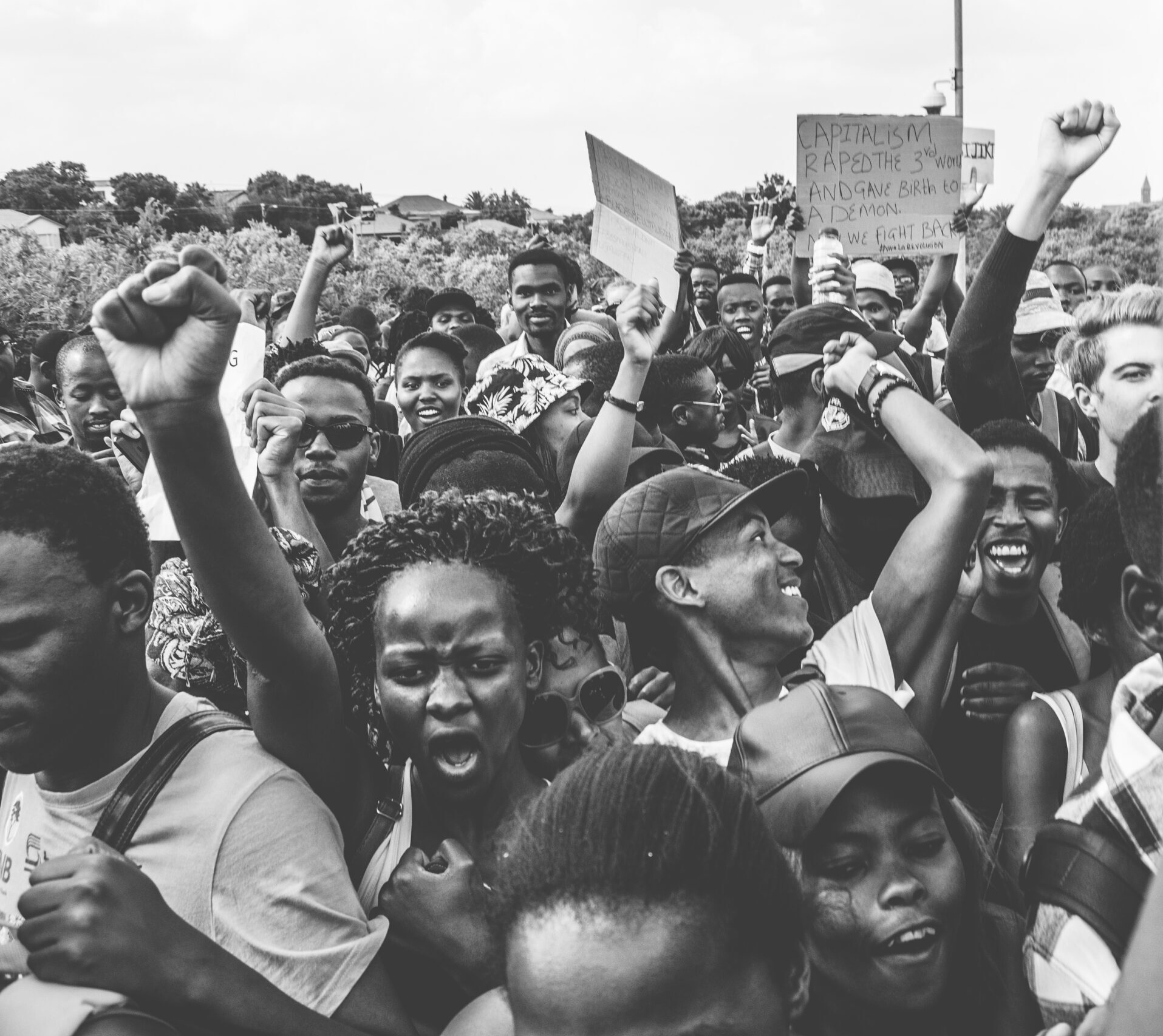
As the climate crisis becomes more visible and undeniable, so do the efforts worldwide to suppress the environmental and social movements working to stop it. Year after year, hundreds of people are killed or forcibly disappeared around the world for defending land and natural resources. This is perhaps the clearest indicator of a broader threat to civic freedoms in the context of environmental defence. Before violent actions take place, state, private, and illegal actors who see their interests threatened by environmental defenders and movements have likely deployed other, subtler tactics to undermine their struggles.
Ten INCLO member organizations made a joint contribution to the call for input by UN Special Rapporteur Astrid Puentes on environmental human rights defenders and the human right to a clean, healthy and sustainable environment.
Our contribution offers an overview of the main practices that structurally shrink civic space for environmental defence across 10 countries: Argentina, Australia, Brazil, Canada, Colombia, Hungary, India, South Africa, Russia and the United Kingdom.
The submission is organized in three parts. First, an overview of the main practices against environmental action by states and corporations—including legal measures, criminalization and repression of environmental protest, and stigmatization of environmental defenders—and their impacts. Second, we identify critical factors that worsen the situation. Finally, we outline a list of non-negotiables from civil society to keep holding states and private actors accountable.


